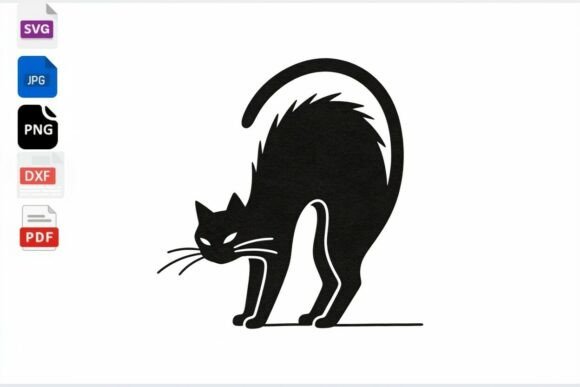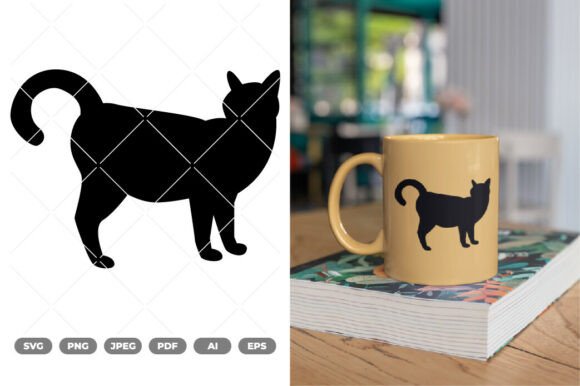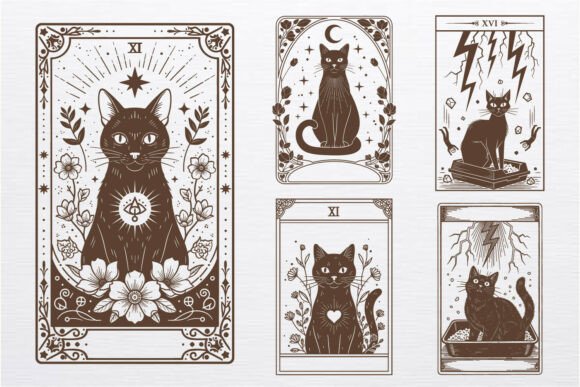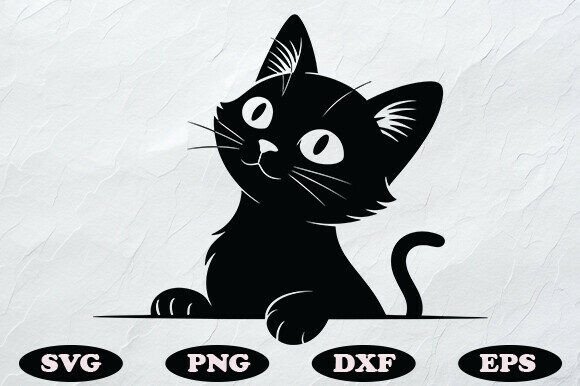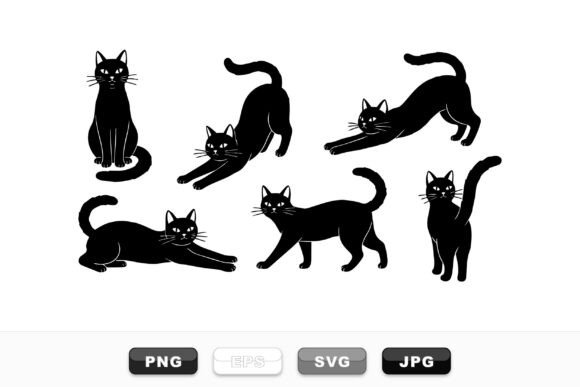
Black Cat SVG Clipart Set
Where This Design Naturally Lands (and Why It Sells)
- A monochrome black cat stretching across the chest of an oatmeal-colored organic cotton sweatshirt—no fill stitch overload, just confident satin outlines and gentle curve definition.
- A single sitting silhouette centered on a natural canvas tote bag, stitched in matte black thread with light tear-away stabilizer. It feels handmade, not mass-produced.
- A trio of tiny cats (scaled down thoughtfully) along the hem of a baby blanket—small enough to avoid bulk, simple enough to hold up after 20+ washes.
Real Embroidery Behavior: What Happens Under the Needle
The stretch poses? Surprisingly forgiving on curved surfaces like caps—no distortion when hooped correctly, thanks to generous negative space and lack of interior detail. The sitting silhouettes translated cleanly onto pillow covers with minimal puckering, especially when paired with cutaway stabilizer on the back.
But here’s the honest note: don’t force these into tight hoops under 3 inches. Those delicate ear tips and tail endpoints need breathing room. On textured fabrics like terry cloth or bouclé, I reduced stitch density slightly and added a layer of soft soluble topping—otherwise, the fine lines blurred into fuzz. And on dark fabric? Always test contrast first. A matte charcoal thread on navy felt rich and intentional; glossy black on black vanished entirely.
Where to Pause—Not Stop—Your Workflow
- Thin or sheer fabrics: Even minimal fill can telegraph through. Consider running stitch outlines only, or pair with backing that won’t shadow.
- Stretchy knits: Hoop with stabilizer *and* spray adhesive. The clean lines demand stability—any shifting blurs the silhouette’s precision.
- Layered garments (like hoodies with pockets): Avoid placing cats directly over seams or thick folds unless you’ve tested tension and thread pull on scrap first.
- Products meant for frequent washing: Stick to high-quality polyester thread and secure trims. The simplicity works *for* durability—but only if execution is tight.
Practical Notes Every Embroidery Designer Should Run Through
- Test on scrap fabric that matches your final project’s weight and texture. Don’t skip this.
- Check thread color contrast in both natural and artificial light. What reads clearly at noon may fade under store lighting.
- Review stitch density in your embroidery software—especially in curved areas. Too dense = stiffness; too sparse = fragility.
- Confirm hoop size compatibility for your machine and project type. These designs reward thoughtful scaling.
- Inspect small details at 200% zoom: Are ear tips and tail ends crisp? Do corners flow without jagged joins?
- Verify licensing terms before selling finished products or bundling as part of a digital embroidery file pack. Since the ZIP includes SVG and EP files, confirm commercial use rights directly with the creator.